Joan M. Caron
Assistant
Professor
Department of Cell Biology
Contact
Phone: 860-679-2845
Email: caron@nso1.uchc.edu
Office: L5050
UConn Health Center
263 Farmington Avenue
Farmington, CT 06030
Research Interests
Methyl Sulfone and the Treatment
of Metastatic Cancer
The goal of present day chemotherapy is
to kill cancer cells. While these chemotherapeutic drugs are
often effective against early stage tumors (primary tumors), these
drugs are not effective against late stage or metastatic cancer
cells. Metastatic cancer accounts for approximately 90% of cancer
deaths. Why metastatic cells are so hard to kill is not clear.
But neither broad-based chemotherapy nor more specific drug
targeting has proved uniformly successful against metastatic
disease.
Drug screening for anti-cancer activity
is most often based on the ability of drugs to kill cancer cells.
We sought to determine a new approach to identify compounds that
would stop cancer cells from growing (proliferating) without killing
the normal cells, and in the process we discovered methyl sulfone.
Methyl sulfone is a small water-soluble
molecule that displays no apparent toxicity to mammals including
humans. Human beings do not synthesize methyl sulfone, and
must acquire the molecule through diet. However, certain plant
species such as broccoli, cauliflower, Brussel sprouts, Swiss chard,
onion and garlic, several of which have been consumed by humans for
centuries, contain methyl sulfone. Regrettably, over the last 50
years the level of methyl sulfone in the food we eat has
significantly fallen due to mass industrialization of food
processing.
Dr. Caron chose to study methyl sulfone
because its chemical structure suggested anti-cancer activity.
We first tested the effect of methyl sulfone on aggressive
metastatic melanoma cells (Caron et al., 2010). However,
instead of looking for cell death, we
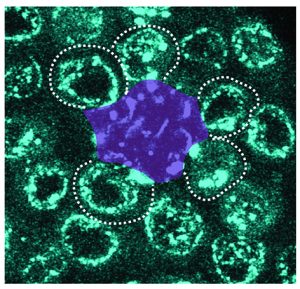
observed the cells under
a microscope. Surprisingly, within 24 hours the melanoma cells
became contact inhibited. And by three weeks in methyl sulfone
this transformation into non-growing, well-behaved normal cells (melanocytes)
was irreversible.
We have now studied the effect of methyl
sulfone on aggressive metastatic breast cancer cells (Caron et al.,
2013a), and extended the results with melanoma cells. This
means that methyl sulfone is active against more than one type of
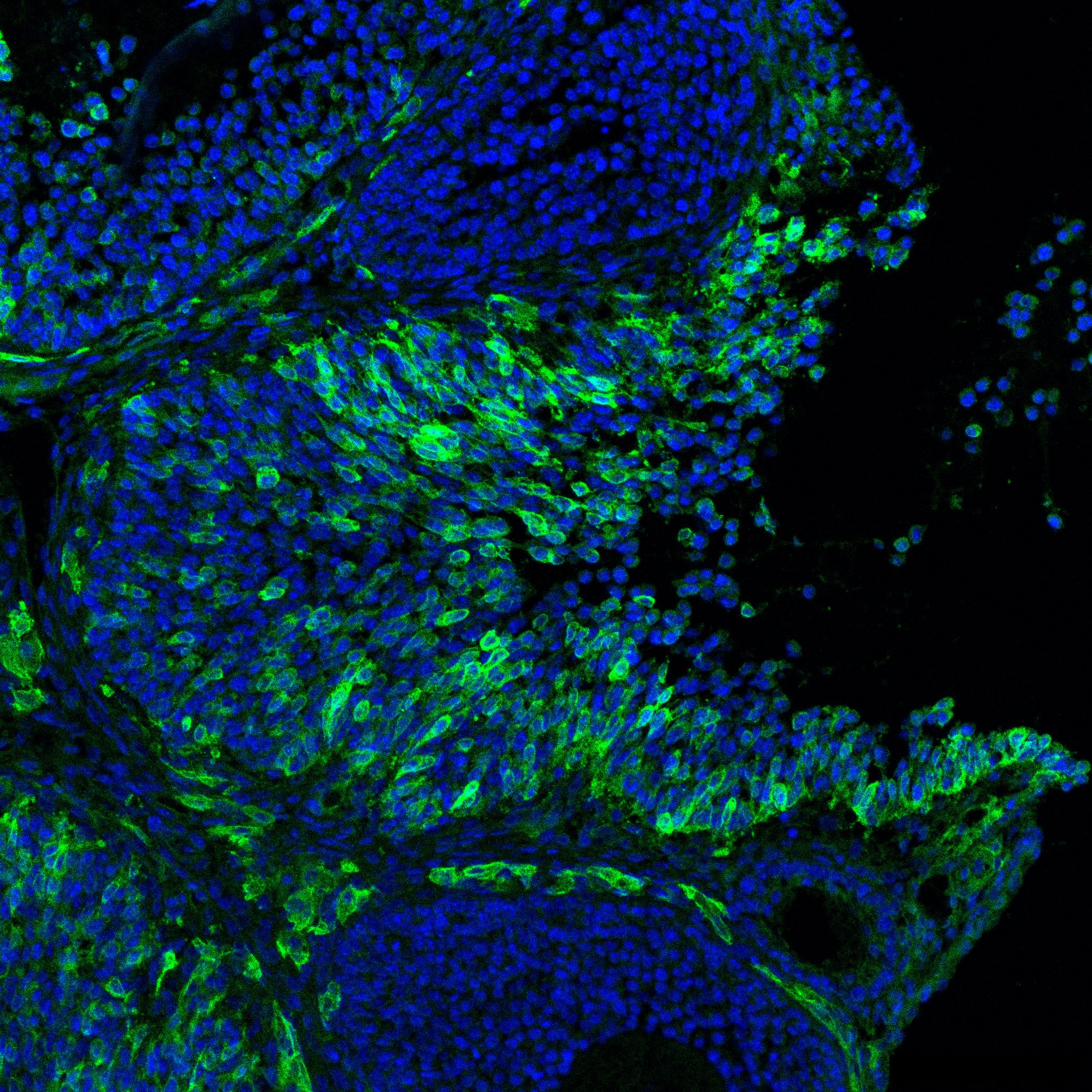
cancer. We have also looked at the effect of methyl sulfone on
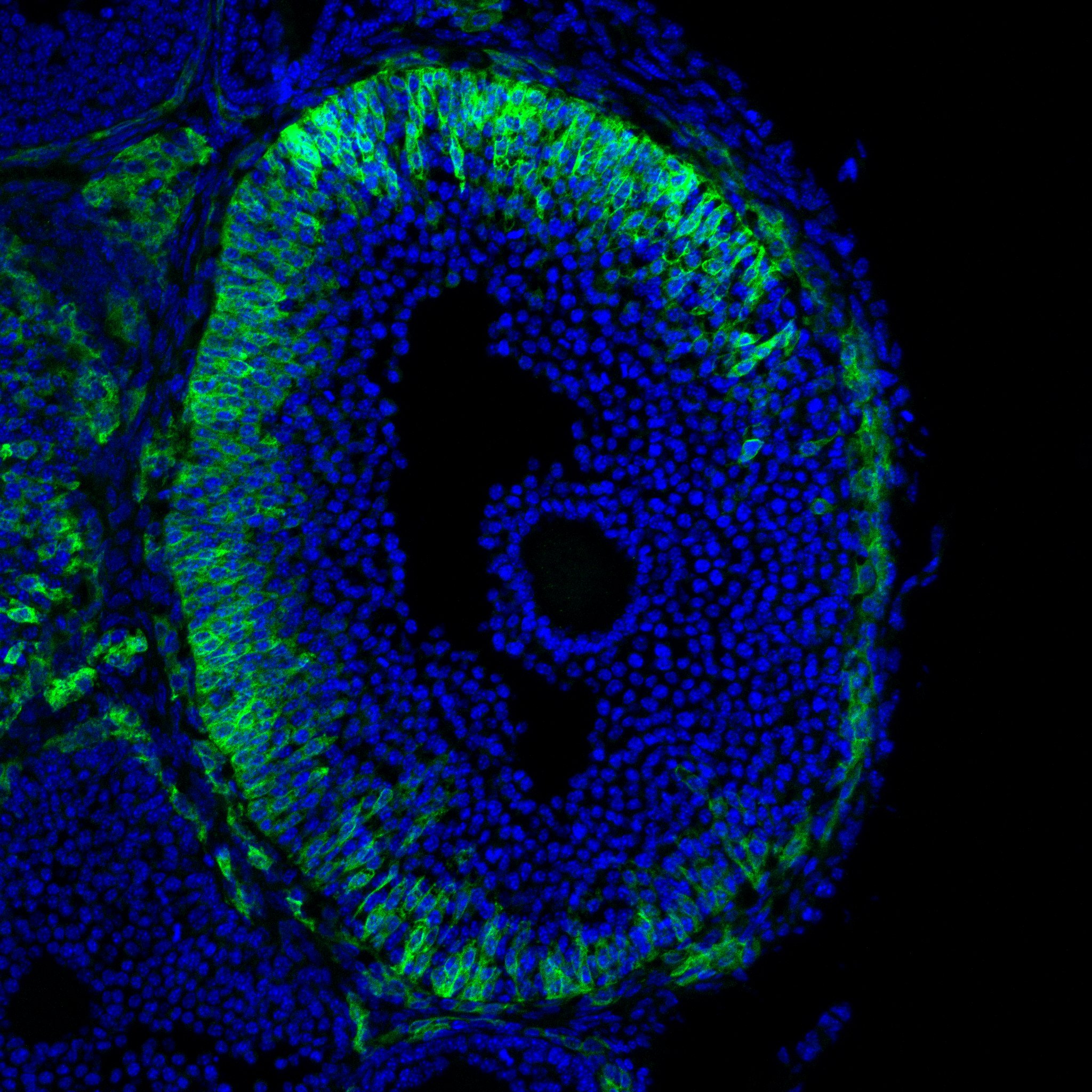
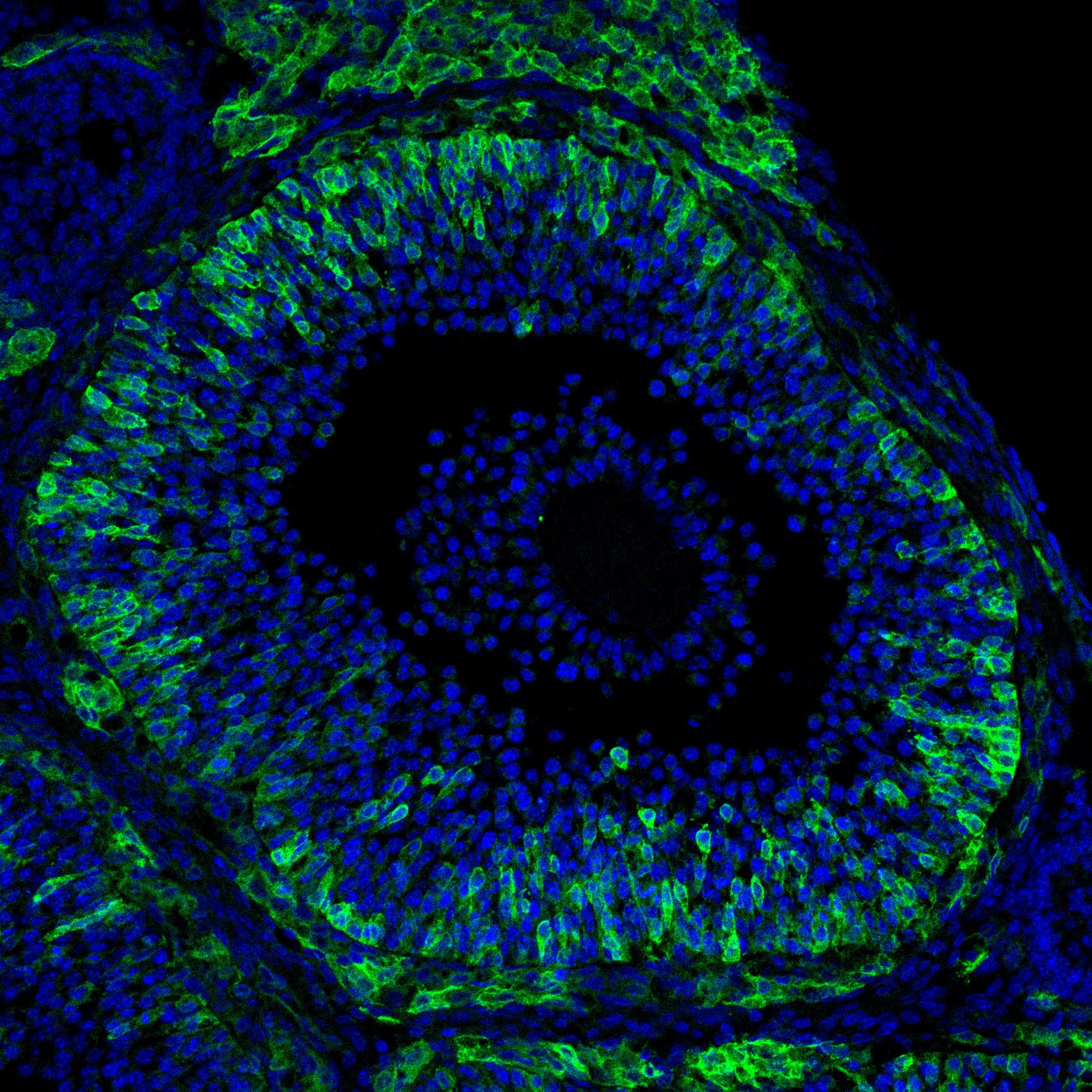
normal and cancerous human breast tissue obtained during surgery
(Caron et al., 2013b). Again methyl sulfone normalized the
cancerous tissue and made the normal tissue look even healthier.
These results show that methyl sulfone is effective against
different subtypes of human breast cancer tissue and methyl sulfone
does not harm normal tissue.
In in vitro and in vivo studies Lim et
al. (Lim, EJ et al. Methylsulfonemethane suppresses breast cancer
growth by down-regulating STAT3 and STAT5b pathways. PLoS One
7(4): p. e33361, 2012) reproduce our melanoma studies and show that
methyl sulfone suppresses tumor initiation, growth and metastasis.
These authors suggest that methyl sulfone be used in clinical trials
against metastatic breast cancer because methyl sulfone has a
multi-targeted mechanism.
To summarize, our data show that
chemotherapeutic agents need not kill cancer cells. Instead,
it is possible that metastatic cells can be reprogramed into normal
cells.
Techniques used in our laboratory to
study methyl sulfone include mammalian cell culture, live cell
microscopy, confocal immunofluorescence microscopy, assays of
metastatic and normal phenotypes, siRNA, and immunoblots analysis.
Palmitoylated Tubulin
Dr. Caron has discovered that tubulin,
the major protein of microtubules, is post-translationally modified
by palmitoylation. Palmitoylation is the covalent attachment of the
long chain fatty acid, palmitate, to cysteine residues of proteins.
This modification has been found to regulate signaling events from
the cell surface, including those involved in cell proliferation and
apoptosis. Palmitoylation of tubulin, which is reversible, appears
to lead to an interaction between microtubules and the plasma
membrane. Our primary goal now is to determine how this interaction
affects cellular functions. In addition, chemotherapeutic drugs used
against cancer prevent the palmitoylation of tubulin, suggesting
that palmitoylation of tubulin may be a new target for
chemotherapeutic agents. To achieve this goal, we are using
biochemical, cell biological and genetic approaches with both
mammalian cells and the yeast Saccharomyces cerevisiae.
Selected Publications
Caron, J.M., Bannon, M., Rosshirt, L. and
O’Donovan, L. (2013a) Methyl Sulfone Manifests Anti-Cancer Activity
in a Metastatic Murine Breast Cancer Cell Line and in Human Breast
Cancer Tissue; Part 1: Murine 4T1 (66cl-4) Cell Line. Chemotherapy,
in press.
Caron, J.M., Monteagudo, L., Sanders, M., Bannon, M. and Deckers, P.J. (2013b) Methyl Sulfone Manifests Anti-Cancer Activity in a Metastatic Murine Breast Cancer Cell Line and in Human Breast Cancer Tissue; Human Breast Cancer Tissue. Chemotherapy, in press
Caron, J.M., Bannon, M., Rosshirt, L., Luis, J., Monteagudo, L., Caron, J.M., and Sternstein. G.M. (2010) Methyl Sulfone Induces Loss of Metastatic Properties and Reemergence of Normal Phenotypes in a Metastatic Cloudman S-91 (M3) Murine Melanoma Cell Line. PLoS ONE 5(8): e11788. doi:10.1371/journal.pone.0011788.pdf
Caron, J.M., and Herwood, M. (2007) Vinblastine, a Chemotherapeutic Drug, Inhibits Palmitoylation of Tubulin in Human Leukemic Lymphocytes. Chemotherapy 53: 51-58.pdf
Hiol, A., Caron, J.M., and Jones, T.L.Z (2003) Purification and characterization of protein acyl transferase activity from rat liver. Biochim. Biophys. Acta 1635: 10-19.pdf
Caron, J.M., Vega, L., Fleming, J., Bishop, Robert, and Solomon, F. (2001) Single site a-tubulin mutation affects astral microtubules and nuclear positioning during anaphase in Saccharomyces cerevisiae: Possible role for palmitoylation of a-tubulin. Mol. Biol. Cell 12: 2672-2687.pdf
Druey, K.M., Ugur, O., Caron, J.M., Chen, C.K., Backlund, P.S., and Jones, T.L.Z. (1999) Amino-terminal cysteine residues of RGS16 are required for palmitoylation and modulation of Gi- and Gq signalling. J. Biol. Chem. 274 (26): 18836-18842.pdf